Park Home Assist announce the winners of the spring prize draw.

Park Home Assist announce the winners of the spring prize draw.

These are very difficult times for all of us, and we totally understand that for many of our customers being isolated and experiencing various levels of lock-down, the days can be long.
On the 21st January 2020, Park Home Assist Insurance Services won the Feefo Platinum Trusted Service Award, an independent seal of excellence that recognises businesses for delivering exceptional experiences, as rated by real customers.
On the 21st January 2020, Park Home Assist Insurance Services won the Feefo Platinum Trusted Service Award, an independent seal of excellence that recognises businesses for delivering exceptional experiences, as rated by real customers.
Householders need to be vigilant regarding roofers and other trades people who knock on your door uninvited.
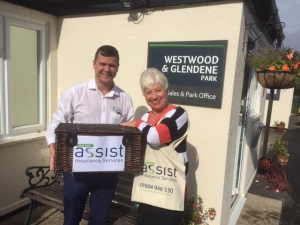 Park Home Assist Insurance Service recently sponsored the Westwood and Glendene Parks fundraising event, which took place in October. Westwood and Glendene Park is located in a quiet rural village on the edge of the New Forest National Park offering an ideal location for residential park home owners. We were approached by the park to see if we would like to get involved in their fundraising and we were extremely proud to be sponsoring this fundraising event which was to raise money for a defibrillator.
Westwood and Glendene Parks arranged a fun afternoon with great entertainment, a raffle and other great fun things to do that day, which were enjoyed by all. Attendees and park home owners at Westwood and Glendene park received one of Park Home Assist’s re-usable cotton bags, pens, notebooks and information about our tailored insurance policies for park home owners. We also donated a large Marks and Spencer hamper for the winner of the raffle prize.
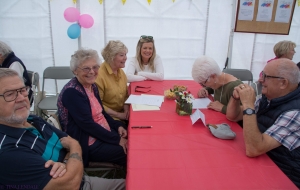
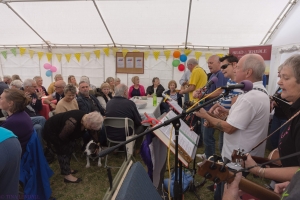
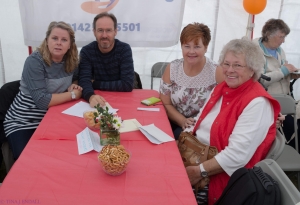
The event was huge success and we are delighted to report that the park raised £1,500 for the defibrillator, which has now been ordered and will be installed on the park next month.
We are always keen to hear about events that are going on in your park and other great causes like this, so if your park is fundraising for a great cause, why not get in touch.
This is a marketing article from Park Home Assist, multi award-winning providers of residential park home insurance. If you would like to speak to an advisor regarding insurance for your park home, please contact our friendly team in our Northampton office on 01604 946 796.
To stay up to date with similar topics like this, please like and follow us on Twitter, LinkedIn or Facebook.
For more information about any of our other insurance products, please choose your product of interest below:
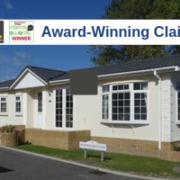
Earlier this year Park Home Assist Insurance Services attended The World of Park & Leisure Homes Show at Stoneleigh.